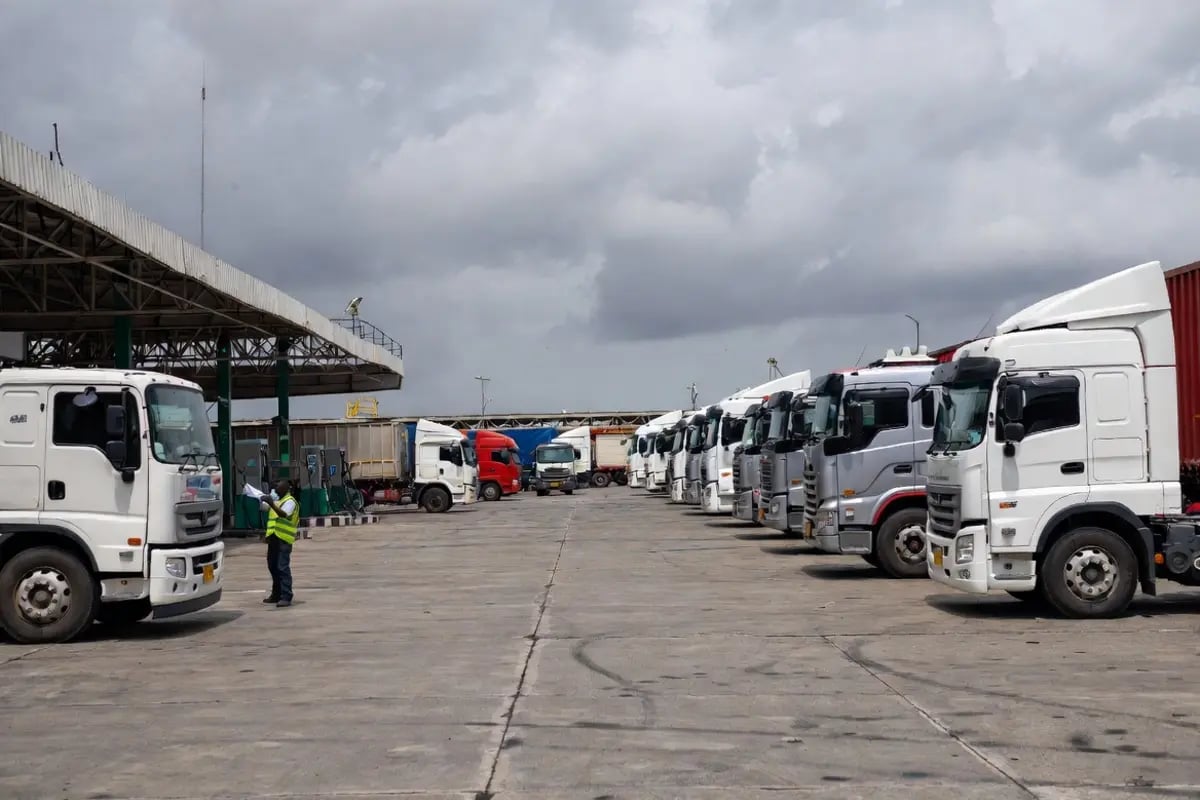
Why Haulage & Logistics Operations Specify Apex Africa Petroleum
Fleet fuel management for haulage and logistics operations demands a discipline that goes well beyond bulk delivery. The pressures are distinctive: high-rotation vehicle fleets with unpredictable consumption patterns, multi-depot operations spanning corridors across Ghana and into Togo, and the constant requirement to maintain uptime against tight freight schedules. A fuel supply partner that cannot match this operational tempo — with reliable delivery windows, accurate documentation, and HSE-compliant transfer protocols at every point — creates exposure that compounds across every load movement.
Apex Africa Petroleum is structured to absorb that complexity. Our procurement and distribution model is built around the operational rhythms of transport and logistics clients: scheduled replenishment cycles, emergency uplift capability, and lubricant supply aligned to fleet servicing intervals. Every transfer is accompanied by verified documentation, ensuring that fleet managers and compliance officers hold a clean, auditable fuel-handling record across their entire depot network.
Specification Requirements Unique to Haulage & Logistics
Haulage and logistics operators in Ghana and Togo carry procurement obligations that distinguish them from other commercial fuel consumers. Bulk diesel supply must conform to applicable Ghana Energy Commission regulatory frameworks governing petroleum handling and storage at commercial premises. Multi-axle and heavy goods vehicle fleets draw on lubricants specified to OEM grade — deviation from these specifications carries warranty and mechanical integrity risks that a discipline-led supply arrangement must prevent.
Beyond regulatory compliance, the practical specification demands are rigorous. Cross-border freight operations extending into Togo introduce documentation requirements at transfer points that must be pre-coordinated, not resolved at the border. Fuel quality consistency across delivery batches is non-negotiable for fleet engineers managing engine performance data. Storage infrastructure — whether fixed tanks at logistics yards or mobile bowser arrangements — must meet HSE handling standards at every interface with the supply chain.
Recommended Services for Haulage & Logistics
- Scheduled bulk diesel supply — planned delivery cycles calibrated to fleet size and depot consumption rates, with documentation at every transfer point
- Lubricant and fluid supply — OEM-specification engine oils, transmission fluids, and greases for heavy goods, multi-axle, and specialist haulage vehicles
- Cross-border supply coordination — structured procurement and documentation management for operations extending from Ghana into Togo
- Emergency and supplementary uplift — responsive fuel supply for fleet operators managing unplanned volume spikes or route extensions
- HSE handling and compliance documentation — full transfer records, product certification, and handling protocols maintained at every delivery interface
Notable Project Types
Apex Africa Petroleum has supported logistics depot operations across Ghana’s principal freight corridors, delivering scheduled fuel supply to multi-vehicle fleets where consistent uptime is a commercial requirement rather than an aspiration. Engagements at this scale typically involve coordinating delivery windows against loading schedules, managing fuel inventory data alongside depot management teams, and ensuring that lubricant supply aligns precisely with the fleet’s preventive maintenance programme.
Regional haulage operations with active cross-border movements into Togo present a more layered supply coordination requirement. For these clients, the value of a structured petroleum supply partner is most visible at the documentation and handoff stages — where product traceability, HSE compliance records, and regulatory paperwork must be complete and verifiable before freight continues its journey. These are the engagements that test supply discipline most directly, and where Apex Africa Petroleum’s process-led model delivers its clearest institutional value.
Compliance & Standards
- Ghana Energy Commission petroleum handling and distribution regulatory requirements
- HSE transfer protocols applied at every fuel delivery and product handoff point
- OEM-specification lubricant procurement — grade verification maintained across supply batches
- Full documentation chain: delivery records, product certification, and handling sign-off at each transfer
- Cross-border regulatory documentation coordination for Ghana–Togo supply movements
- Depot storage compliance review — bowser and fixed-tank handling standards assessed against applicable safety requirements